Why kitchen upgrades matter for everyday living
Kitchen remodeling in Redmond begins with recognizing how central the kitchen is to daily life. I realized this clearly when helping a neighbor renovate a cramped kitchen where two people could not pass each other without bumping elbows. Cooking felt rushed and frustrating, not enjoyable.
After the remodel, the same family lingered longer in the kitchen, talking while meals came together naturally. A kitchen should support routines, not interrupt them. When upgrades focus on usability, the space becomes calmer and more efficient. That shift affects every single day, not just special occasions.
Understanding Redmond homes and how kitchens are used
Homes in Redmond often blend modern builds with older layouts that were never designed for today’s lifestyles. Many kitchens were built when storage needs were smaller, and appliances were fewer. I’ve walked into homes where countertop space disappeared the moment groceries were unpacked.
Remodeling here often means correcting assumptions from another era, which is why thoughtful planning matters when approaching Kitchen remodeling Redmond. Open layouts, efficient storage, and better lighting consistently make the biggest difference. Kitchen design must match how households actually live, not how floor plans once imagined they would.
This is where planning beats impulse upgrades every time.
Planning before demolition prevents costly mistakes
The most successful kitchen remodels start with clarity, not inspiration boards. I learned this during my own remodel after sketching multiple layouts before touching a single cabinet. That process exposed awkward traffic patterns that would have caused daily frustration. Planning allows homeowners to prioritize workflow, safety, and comfort. It also reveals hidden constraints like electrical capacity or plumbing placement.
Addressing these early protects both the budget and the timeline. A well-planned kitchen feels intentional from day one.
Layout choices that define how the space functions
Work zones shape daily efficiency
A kitchen does not need more square footage to feel better. It needs clear zones for prep, cooking, cleaning, and storage.
In one remodel I observed, relocating the prep area closer to the refrigerator cut meal prep time noticeably. These adjustments seem small but add up quickly. Modern layouts focus on movement efficiency rather than rigid design rules.
The goal is reducing unnecessary steps and stress.
Islands should solve real problems
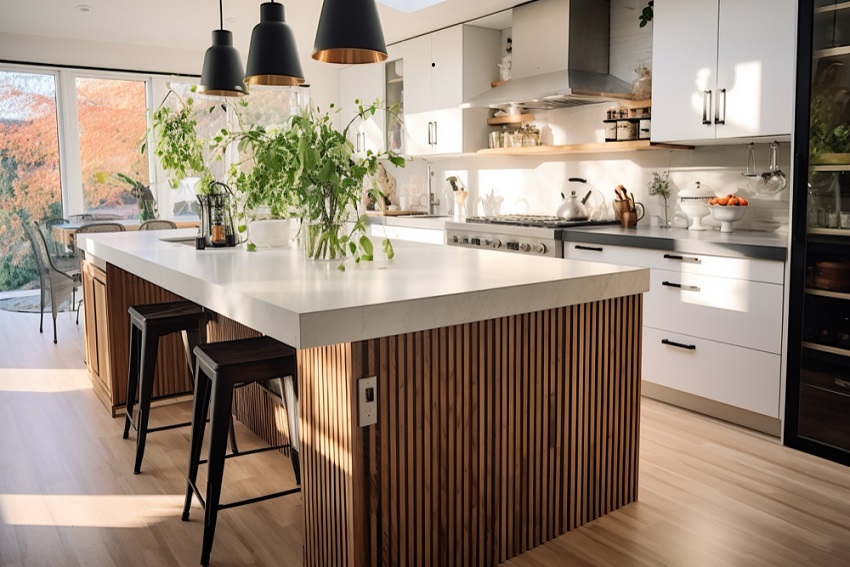
Kitchen islands are often requested without considering their impact. I’ve seen islands installed that limited movement and reduced cabinet access. When space allows, an island can provide seating, storage, and prep space. When space is limited, alternative layouts work better.
Every layout element should earn its place.
Cabinets that simplify organization
Cabinetry influences how easily a kitchen stays organized. During a recent renovation, switching to deep drawers transformed how cookware was stored. Nothing needed to be stacked or moved to access essentials. Pull-out organizers and vertical dividers eliminate wasted space. Soft-close hardware also reduces wear and noise over time.
Good cabinets quietly support daily habits.
Countertops designed for real use
Countertops see constant action throughout the day. Choosing materials based on lifestyle matters more than trends. I once saw a homeowner regret a delicate surface after frequent stains became unavoidable. Durable, low-maintenance materials reduce long-term stress. Heat resistance and ease of cleaning should guide decisions.
A practical surface ages better than a fragile one.
Lighting that improves function and comfort
Lighting changes how a kitchen feels and performs.
In one remodel, layered lighting replaced a single overhead fixture and transformed the room. Task lighting improved cooking accuracy and safety. Ambient lighting softened the space in the evenings. Natural light also plays a major role.
Well-lit kitchens feel larger, cleaner, and more inviting.
Appliances chosen around real habits
Appliances should match how people actually cook. Oversized or underused appliances often become wasted investments. In one home, prioritizing a larger refrigerator over extra cooking equipment made daily life easier. Energy efficiency and noise levels matter more than appearance alone.
Appliances should support routines, not complicate them.
Flooring that withstands daily wear
Kitchen floors experience constant use. Spills, dropped utensils, and foot traffic are unavoidable. I’ve seen flooring fail quickly when durability was overlooked. Materials resistant to moisture and impact perform best long term. Comfort underfoot also matters during extended cooking sessions.
Flooring should balance resilience with appearance.
Budgeting with flexibility in mind
Budgets work best when they include breathing room. Unexpected issues almost always surface once demolition begins. In one remodel, outdated plumbing required immediate replacement. Because contingency funds were planned, progress continued smoothly. Spending should focus on elements that affect longevity and function.
Cosmetic upgrades can follow later.
Value that goes beyond resale
Kitchen upgrades enhance daily living more than resale figures. Homeowners often report better flow and less clutter. Cooking becomes calmer and more social. Organization reduces mental strain throughout the day.
These benefits rarely appear in listings but matter deeply. A functional kitchen improves quality of life.
Final thoughts for homeowners planning an upgrade
Kitchen remodeling Redmond succeeds when decisions are guided by real use, not assumptions. Thoughtful layouts, durable materials, and careful planning lead to lasting satisfaction. The best kitchens feel natural and effortless. When a kitchen works well, everything else in the home feels easier.