


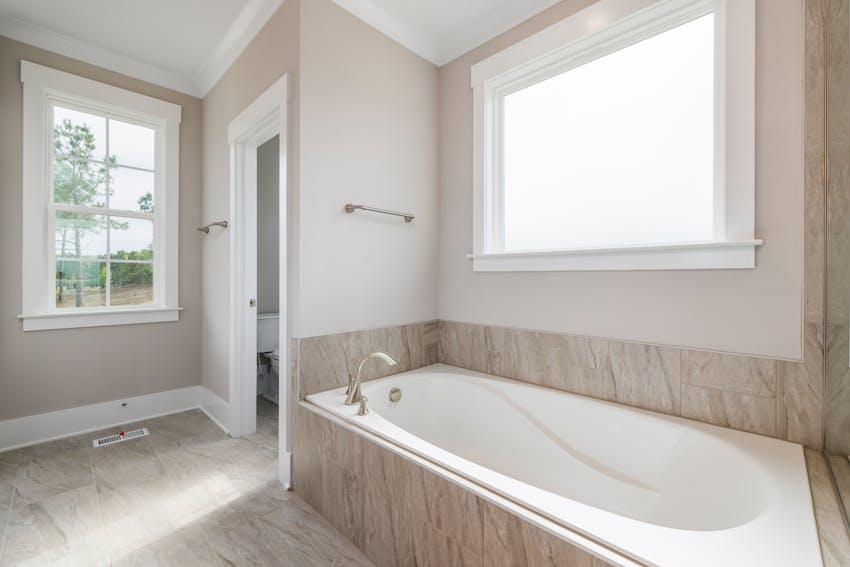
Windows do far more than fill gaps in a wall. They influence how a home feels in summer and winter, how much upkeep it needs, how natural light moves through each room, and how the property presents from the street. A well-chosen window can make a home feel calmer, brighter and more connected to its surroundings. A poorly chosen one can create glare, draughts, cleaning headaches and a façade that feels slightly unfinished.
That’s why details matter. Homeowners often focus on size and placement first, which makes sense, but materials, opening styles, glazing, finishes and frame proportions can be just as important. When choosing the right window frames, it’s worth thinking beyond appearance and considering how each option will perform every day.
Let’s start with the window choices that affect comfort
Comfort Starts With Light, Airflow and Insulation
Comfort is one of the biggest factors affected by window design. The amount of natural light entering a room can change its mood completely, but more glass isn’t always better. Large windows can make living areas feel open and generous, yet they can also increase heat gain, glare or heat loss if the glazing and orientation aren’t considered carefully.
Ventilation matters too. Awning, casement, sliding and double-hung windows all move air differently. A window that opens wide may suit a living space where cross-breezes are welcome, while a smaller awning window can work well in bathrooms or laundries where ventilation’s needed even during light rain. In bedrooms, window placement can affect whether the room feels stuffy overnight or fresh without relying heavily on mechanical cooling.
Glazing also plays a major role. Double glazing, low-E glass and tinted options can help manage temperature, noise and sunlight. In busy streets or exposed locations, better glazing can make a noticeable difference to internal comfort. It’s not just about energy efficiency; it’s about how pleasant the home feels at 3 pm on a hot day or during a cold winter morning.
Maintenance Depends on Materials and Access
Windows are part of the home’s exterior, which means they’re constantly exposed to sun, wind, dust, rain and changing temperatures. Some materials require more upkeep than others, and the right choice often depends on the property’s location and the owner’s tolerance for maintenance.
Timber frames offer warmth and character, especially in heritage or architecturally detailed homes, but they usually need periodic sealing, painting or staining. Aluminium is generally lower maintenance and suits contemporary designs, though frame quality and finish still matter. uPVC and composite options can also offer practical benefits, particularly where insulation and ease of care are priorities.
Access is another overlooked detail. Windows that are hard to reach can become frustrating to clean, especially on upper floors, stairwells or tight side passages. Fixed panes may look sleek, but they can be awkward if external cleaning access hasn’t been planned. Opening sashes, removable screens and practical hardware all affect long-term convenience.
Even flyscreens and tracks deserve attention. Sliding windows with poor-quality tracks can collect debris and become stiff over time. Screens that are difficult to remove often get ignored during cleaning. These small details can make the difference between a home that feels easy to maintain and one that slowly becomes a nuisance.
Street Appeal Is Shaped by Proportion and Finish
From the outside, windows help define a home’s character. Their proportions, placement, frame colour and style can either strengthen the architecture or make the façade feel disjointed. A modern home might suit slim frames and large glass panels, while a cottage or period-style home may need more traditional proportions to feel balanced.
Consistency matters, but that doesn’t mean every window must be identical. A street-facing façade usually benefits from a clear visual rhythm. Window heights, sill lines and frame colours should feel intentional. When windows are replaced one at a time without considering the whole elevation, the result can look patchy, even if each individual window is good quality.
Frame colour has a strong effect too. Dark frames can create crisp definition and a more contemporary edge. Lighter frames may blend more softly with cladding, render or brickwork. The best choice depends on the roof, gutters, trims, entry door and broader exterior palette. Windows shouldn’t be selected in isolation; they’re part of the home’s overall visual language.
Hardware and Opening Styles Change Daily Use
Handles, locks, stays and hinges are easy to overlook, but they’re the parts homeowners interact with constantly. Good hardware feels secure, smooth and intuitive. Poor hardware can make windows difficult to open, awkward to lock or less effective over time.
Opening style should also match the room’s function. Sliding windows work well where space is limited, since they don’t project outward or inward. Casement windows can capture breezes effectively and offer generous openings. Awning windows provide privacy and weather protection, making them useful for bathrooms, kitchens and utility spaces. Fixed windows are ideal for framing views, but they need to be balanced with operable windows elsewhere to support airflow.
Security also comes into play. Lockable openings, restricted openings for upper levels, strong frames and compatible screens can all contribute to peace of mind without compromising design.
Good Window Choices Balance Beauty and Practicality
The best windows don’t just look good on installation day. They continue to perform across changing seasons, daily use and years of exposure. They support comfortable rooms, reduce unnecessary maintenance, improve ventilation and strengthen the home’s exterior presence.
For renovators, builders and homeowners, the smartest approach is to assess windows as both design features and working parts of the home. Consider how they’ll look from the street, how they’ll feel from inside, how often they’ll need attention, and whether they suit the way each room’s used. When those details align, windows become more than architectural finishing touches. They help create a home that feels better to live in, easier to care for and more appealing from the moment someone arrives.