


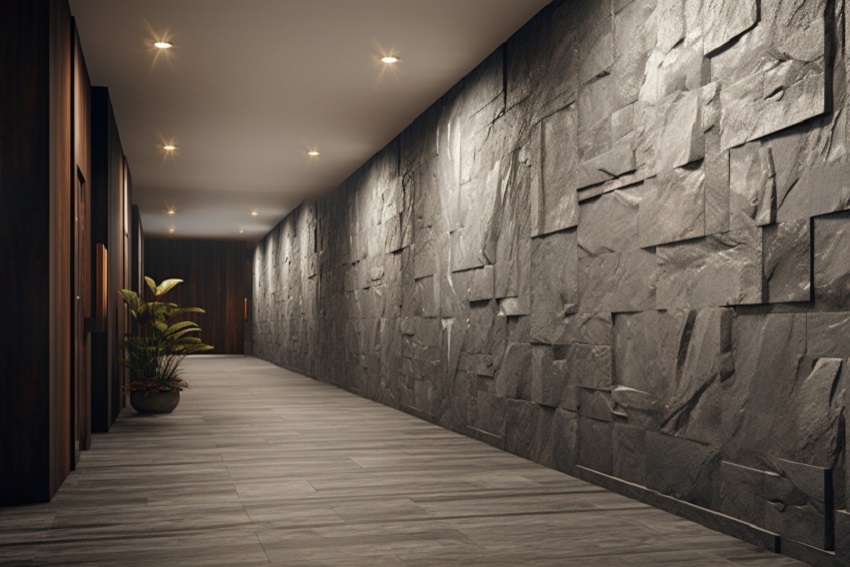
Understanding the Concept of a Safe Room
In an increasingly uncertain world, many homeowners are contemplating how best to protect themselves and their families from potential threats. A safe room epitomizes the idea of a personal sanctuary dedicated to security and protection. It is not merely a trend, but a strategic response to rising concerns over home invasions, natural disasters, and other emergencies. A safe room, ideally fortified with materials that resist forced entry and shield occupants from various dangers, can serve as a refuge during perilous situations, providing peace of mind when faced with potentially life-threatening scenarios.
Furthermore, the design of a safe room is often just as critical as its functionality. It goes beyond being an empty space; instead, it must be thoughtfully conceptualized and crafted to cater to the particular needs of its inhabitants. The structure should accommodate emergency supplies, medical kits, communication devices, and even basic living essentials to withstand long-duration crises. Thinking of a safe room as a critical investment in home security can transform it from just an idea into an imperative necessity for today’s homeowners.
Why Every Homeowner Should Consider a Safe Room
The rationale behind constructing a safe room in your home goes far beyond sudden crime rates or natural disasters; it is rooted in the fundamental human desire for safety and security. Homeowners frequently face various risks from break-ins and violent crimes to unforeseen natural disasters like tornadoes and hurricanes. In fact, according to statistics from the FBI, a burglary occurs every 26 seconds in the United States alone. Given these alarming numbers, the peace of mind that a safe room provides cannot be overstated.
Moreover, in a time when a sense of community is weakening, the idea of an inviolable sanctuary within one’s home becomes paramount. It’s not merely about creating a hardened shell; it’s about having a dedicated space that encapsulates safety where family members can feel secure and communicate without the chaos of the outside world infringing upon their peace. Most importantly, when faced with a significant threat, having a designated safe room can be a critical life-saving decision. Investing in such a space is not just a luxury but an essential consideration for today’s prudent homeowner.
The Psychological Benefits of Creating a Safe Space
The psychological advantages of having a safe room should not be underestimated. In turbulent times or uncertain situations, the presence of a sanctuary can alleviate anxiety and promote a feeling of control amidst chaos. Understanding that there exists a space where one can seek refuge significantly enhances a homeowner’s overall sense of security. Just as important as physical safety is the mental relief that comes from knowing you have prepared for the worst circumstances. Such foresight can lead to improved mental well-being, as the fear of potential dangers gradually dissipates when individuals cultivate a plan in advance.
Furthermore, a safe room can strengthen family bonds as loved ones gather to discuss safety protocols, emergency training, and fears surrounding certain threats. These dialogues forge connections while simultaneously preparing everyone for the worst. A safe room becomes not just a place of safety, but a collaborative project that informs family dynamics and instills trust, unity, and resilience. It embodies the very essence of protection, reinforcing the family’s collective commitment to safety while promoting open communication about fear and vulnerability.
Choosing the Right Wall Panels: What to Look For
Materials Matter: Understanding the Best Options for Safe Room Panels
When building a safe room, the choice of wall panels plays a crucial role in its overall effectiveness as a protective space. Various materials are available, but not all of them provide the same level of security. Commonly utilized materials include reinforced steel, ballistic-grade fiberglass, or specialty drywall designed specifically for impact resistance. The best panels should be capable of withstanding both physical attacks as well as environmental stresses, depending on the perceived threats in your area.
Reinforced steel panels, for example, are known to resist cutting, penetration, and deformation, making them a reliable option for safeguarding against home invasions. In contrast, ballistic-grade fiberglass wall panels offer a lighter alternative with significant impact resistance, designed to withstand gunfire. Drywall designed for safe rooms can come with fireproofing features as well, adding another layer of protection against potential environmental threats. Ultimately, selecting the right materials hinges on identifying the specific risks associated with your location and lifestyle.
Thickness and Durability: How They Affect Your Security
The thickness of the wall panels directly correlates with the level of security they offer. Thicker panels generally provide higher durability and resistance against various forms of invasion or attack. For instance, many safe room standards recommend wall panels that are at least 5/8 inches thick for maximum effectiveness. Beyond just thickness, the durability of the materials chosen should encompass environmental factors such as moisture and humidity, which could reduce the integrity of weaker materials over time.
Real estate and individual safety should also influence the choice of panel thickness. Given that safe rooms can also serve multiple functions, like a storage space during downtime or serving as a crisis center during emergencies, finding a balance between thickness and usability is essential. Wall panels should ideally integrate seamlessly with the existing architecture while retaining maximum protective characteristics. Homeowners must also consider the longevity and maintenance of materials when evaluating their safe room options to ensure long-term security.
Design and Aesthetics: Balancing Safety with Style
While the primary objective of safe room wall panels is to ensure security, there is no need to sacrifice aesthetics. Homeowners can seek panels that complement their existing home design while still offering superior protection. A reputation for safety does not inherently necessitate an unattractive, bunker-style appearance. In fact, advancements in design have allowed manufacturers to create visually appealing wall panels that harmonize with home interiors while incorporating essential security features.
Available in a variety of colors, textures, and patterns, modern wall panels can mimic traditional materials such as wood or plaster, allowing homeowners to create a comfortable and stylish environment that belies the safe room’s true purpose. Additionally, incorporating insulation into wall panels can enhance temperature control, further improving the livability of the space while still providing protection. Overall, blending safety with style is not just feasible it is highly recommended to create an alluring space that homeowners will want to use voluntarily.
Installation Insights: Turning Your Room into a Fortress
DIY vs. Professional Installation: Which Is Right for You?
The decision to implement a DIY approach or hire a professional for safe room installation should align with both your skill level and the complexity of the project. Many capable homeowners may opt for DIY installation to save costs, but proper training and meticulous planning are essential. An incorrectly installed safe room can compromise its intended function, potentially endangering those seeking refuge.
Professional installation, on the other hand, ensures that the safe room adheres to local building codes and standards while leveraging expertise in security measures. Professionals can provide insights into the best materials, designs, and technologies suited to your specific needs, ultimately translating into greater investment value. Regardless of which direction one chooses, proper planning including evaluating the intended usage, establishing safety protocols, and assessing structural integrity is crucial for any successful safe room construction.
Foundation and Structure: Ensuring Your Safe Room Can Withstand the Worst
A safe room’s effectiveness is only as strong as the structural integrity of its foundation. The foundation must be reinforced to withstand external pressures such as debris from storms or forced entry attempts. Having a well-fortified structure is vital; thus, some homeowners may consider bolstering existing walls or even relocating to a more soundly built area. Concrete walls, in addition to the chosen panels, can provide added protection and peace of mind.
Furthermore, attention to ventilation and exits is critical. If a safe room is to be occupied for extended periods, it must incorporate proper air circulation to prevent suffocation under distress. This can include air-filtration systems to ensure the safety of the occupants amidst various environmental dangers. Plans should include exit strategies that go beyond traditional doors, offering egress routes for emergencies or evacuations. A well-prepared safe room should be equipped to face the worst foreseeable scenarios with minimal compromise to its occupants’ safety.
Sealing the Deal: The Importance of Proper Insulation and Ventilation
The importance of insulation and ventilation in a safe room cannot be overlooked. High-quality insulation doesn’t only contribute to thermal comfort; it also plays a significant role in soundproofing a critical factor when protecting against potential threats. Proper insulation can help contain activities within the safe room, effectively isolating it from disturbances outside, while soundproofing properties ensure that external noise does not signal intruders or other dangers.
Ventilation is also an important aspect, particularly in cases where a quick lockdown could result in extended periods of occupancy. A safe room should provide access to fresh air, and integrating air filtration will ensure that external contaminants, whether environmental toxins from natural disasters or chemical agents in the case of a deliberate attack, are wholly mitigated. By carefully considering how to combine insulation and ventilation, homeowners can create a safe room that maximizes comfort and security.
Enhancing Safety Features: Going Beyond Just Walls
Integrating High-Tech Security Systems: The Future of Home Protection
In an era defined by technological advancement, integrating high-tech security systems within your safe room takes protection to new heights. Smart home devices enhance both the security and efficiency of safe rooms. Alarm systems equipped with motion detectors and smart locks can provide alerts directly to your smartphone, allowing you to monitor your home remotely. Furthermore, security cameras can serve as an additional layer of protection while providing visual documentation of potential threats.
Emerging technologies, such as biometric access systems, can secure entryways, ensuring that only those authorized can enter. Those seeking to fortify their safe room should also consider creating a redundant communication system that enables connection with local authorities, emergency services, or family members. By integrating high-tech systems, homeowners not only deter threats but gain invaluable tools for keeping connected during crises, allowing them to remain informed and responsive.
Emergency Supplies and Planning: What Every Safe Room Needs
A safe room is only as effective as the resources housed within it. Proper planning to equip your safe room with emergency supplies is essential for ensuring safety during a crisis. Fundamental supplies include water, food, medical kits, flashlights, batteries, a multi-tool, and a means of communication all tailored to fit the number of occupants and potential duration of use. Regular audits of supplies guarantee that items remain untouched and ready to be deployed when needed.
Additionally, crafting an emergency response plan is crucial. Families should rehearse safety drills so each member understands their role during a critical moment, helping to alleviate panic and confusion. Backup plans for sheltering in place, evacuation plans, and the need for first aid knowledge are paramount. Preparedness for emergency situations fosters resilience, allowing families to react swiftly and effectively when it matters most and ultimately fulfilling the core purpose of creating a safe room a sanctuary of safety, shelter, and strength.
Educating Your Family: Preparing Them for Emergencies
Education serves as both a preventive measure and a corrective strategy when it comes to safe rooms. It’s vital to engage family members in conversations about potential threats and the rationale behind creating a safe haven in the home. By discussing various scenarios home invasions, natural disasters, or medical emergencies family members can grasp the importance of planning and preparation. Conducting safety drills can familiarize each member with the layout of the safe room, alternate exits, and procedures for accessing supplies. This proactive approach to education will build confidence, ensuring that children and adults alike are prepared for emergencies instead of succumbing to panic in moments of crisis. Educational workshops or sessions can equip families with the skills to operate communication devices, manage first-aid supply kits, or even meditate together during distressing times, turning an ordinary space into a well-planned sanctuary of resilience.